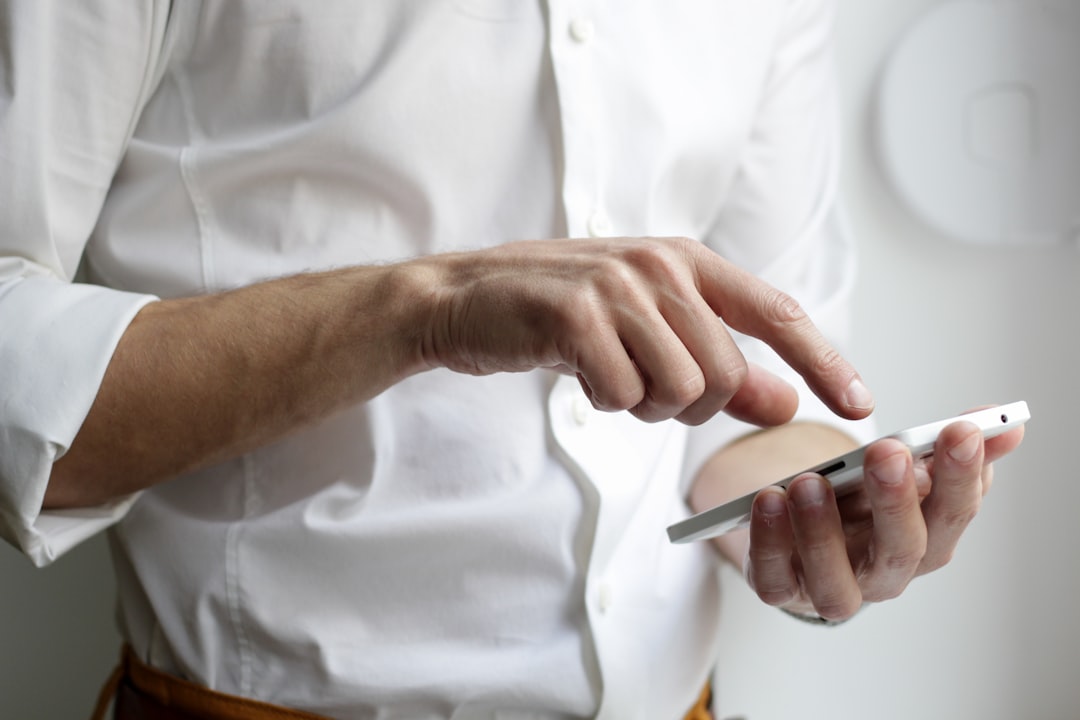
South Carolina residents can combat robocalls through the state's Do Not Call laws, registering numbers to block automated sales calls. Advanced call-blocking apps using machine learning identify and filter spam. Apps like TrueCall, Hiya, and NoCall offer personalized blocking options and community blacklists. Customizing app settings for specific industries, such as law firms, and regularly updating definitions enhance protection against evolving scams, reclaiming control over communication channels.
In today’s digital age, the relentless surge of robocalls has become a pervasive nuisance across South Carolina, much like a labyrinthine symphony of unwelcome intrusions. These automated calls, often disguised as legitimate business inquiries, are not only frustrating but can also pose security risks, especially when impersonating Do Not Call law firms. To combat this growing issue, we present an authoritative guide to the most effective app designed to block robocalls in South Carolina. By exploring its features and capabilities, readers will gain a powerful tool to reclaim their peace of mind and control over their communication channels.
Understanding Robocalls and South Carolina's Do Not Call Laws
Robocalls have become a persistent nuisance across the United States, including South Carolina, where residents are often bombarded with unwanted automated calls from telemarketers, scammers, and political campaigns. To combat this issue, understanding South Carolina’s Do Not Call laws is crucial. The state has implemented regulations designed to protect consumers from relentless robocalls, particularly those originating from call centers and businesses that refuse to honor privacy rights.
South Carolina’s Do Not Call law, codified under the Consumer Protection Code, allows residents to register their phone numbers with a state-run registry, effectively blocking most automated sales calls. This measure provides a powerful tool for citizens to regain control over their communication channels. Interestingly, the law does not extend its protection to calls from political organizations or charities, though it strictly regulates commercial robocalls. For instance, according to recent data from the Federal Trade Commission (FTC), South Carolina reported one of the highest rates of complaint regarding robocalls in the nation, highlighting the urgency for effective blocking solutions.
When utilizing an app to combat robocalls, users in South Carolina should look for tools that not only block but also identify and categorize incoming calls. Reputable apps often employ advanced algorithms and machine learning techniques to distinguish between legitimate calls and automated spam. By subscribing to a reliable service, residents can ensure compliance with the state’s Do Not Call laws while protecting their privacy. Expert advice suggests regularly reviewing call blocking settings and updating them as new robocall tactics emerge, ensuring ongoing protection against these relentless intruders into South Carolina homes and businesses.
Identifying and Installing Top Anti-Robocall Apps for Android/iOS

In South Carolina, as across the nation, robocalls remain a persistent nuisance. What was once a mere annoyance has evolved into a significant concern, with billions of unwanted calls inundating American phones each year. According to recent data from the Federal Communications Commission (FCC), there were over 46 billion spam calls made in the United States in 2021, demonstrating an alarming trend in automated call volumes. Among these, many target South Carolina residents, often impersonating businesses or government agencies. To combat this growing issue, one effective strategy involves leveraging advanced technology: anti-robocall apps for both Android and iOS devices.
Identifying the top anti-robocall apps requires a deep dive into their efficacy, ease of use, and features such as call filtering, blocking, and reporting capabilities. Apps like TrueCall and Hiya stand out for their sophisticated algorithms that analyze caller ID data against vast databases of known spammers and robocalls. These applications not only block unwanted calls but also provide valuable insights into the source, allowing users to identify recurring offenders. Another highly regarded option is NoCall, which leverages a community-driven approach by enabling users to contribute to a collective blacklist. This collaborative effort amplifies the app’s effectiveness in filtering out robocalls, especially those emanating from Do Not Call law firms South Carolina residents might be enrolled in.
Installation and configuration are straightforward processes for even novice users. After downloading the chosen app from their respective app stores, users typically need to grant necessary permissions and set personalized preferences. For instance, NoCall offers options to block calls based on location, time of day, or specific contact lists. Once set up, these apps seamlessly integrate into daily routines, providing a sense of security against relentless robocalls. By employing these top-tier anti-robocall apps, South Carolina residents can reclaim control over their communication channels and experience a significant reduction in unwanted intrusions.
Customizing Settings to Block Calls Effectively: A Step-by-Step Guide

In South Carolina, as across the nation, robocalls remain a persistent nuisance, with many residents subject to unwanted calls from law firms and other entities. However, with the right tools and settings, you can effectively block these intrusions. Customizing your call-blocking app’s settings is a crucial step to ensure that you’re not just filtering out known robocallers but also preventing any new or evolving scams from reaching your phone.
Start by reviewing your app’s settings for specific options tailored to blocking calls from law firms and other common robocall sources. Many reputable apps offer “Do Not Call” lists or categories, allowing you to block calls from particular industries, including legal services. For instance, the best call-blocking apps often include preloaded lists of known spam numbers and business categories, such as telemarketers, collections agencies, and law firms. These lists are regularly updated, ensuring that you benefit from the collective wisdom of other users in identifying and blocking emerging robocall trends.
Next, utilize advanced filtering options to fine-tune your call blocking. Set rules based on calling patterns, areas codes, or even specific phone numbers. For example, if a particular law firm’s number keeps popping up on your block list, you can manually add it to your custom blocked callers list. This hands-on approach ensures that any new variations of calls from that firm are also blocked. Additionally, consider allowing whitelisted numbers, such as trusted contacts or family members, to ensure important calls from these individuals get through while blocking all other automated and unwanted calls.
Regularly update your settings as new robocall tactics emerge. Scammers and spammers are constantly adapting their techniques, so staying proactive is key. Review your blocked call history for any patterns or anomalies that might indicate evolving scams. Update your app’s definitions and rules accordingly to stay ahead of the curve in blocking these unwanted intrusions. By customizing your settings, you empower yourself to take control of your phone’s connectivity, ensuring a calmer and safer communication environment.