South Carolina's robocall laws protect residents from unwanted automated calls, with fines up to $1,000 per violation. Robocall blocking apps using AI and machine learning are effective, yet scammers adapt. Top-rated apps like TrueCall offer high accuracy in spam detection. Staying informed about trends and app updates is crucial. Consulting a Robocall Attorney South Carolina for legal protection against illegal calls and damages is recommended. Blocking known spammers and leveraging legal resources significantly reduces robocall nuisance.
South Carolina residents, like many across the nation, face an increasing onslaught of unwanted robocalls. These automated phone calls, often from telemarketers or scammers, can be invasive and harmful. In response to this growing concern, innovative solutions have emerged, with a particular focus on robocall protection apps offering real-time updates. This article delves into the critical need for such tools, detailing how they work and emphasizing their value in shielding users from nuisance calls, especially in the legal context of South Carolina where robocall regulations are stringent. We’ll explore the features and benefits that make these apps a game-changer in the ongoing battle against unwanted communication.
Understanding South Carolina's Robocall Laws: A Legal Perspective

South Carolina’s robocall laws are designed to protect residents from unwanted and fraudulent automated telephone calls, known as robocalls. These regulations are essential given the proliferation of robocalls and the potential for significant consumer harm. Under South Carolina law, a robocall is generally defined as any prerecorded or artificial message delivered to a telephone using an Automatic Dialing System (ADS). Robocall Attorney South Carolina highlights that while many robocalls originate from telemarketing efforts, others can be malicious, including spam calls, scams, and even threats.
Key aspects of South Carolina’s robocall laws include restrictions on when and how such calls may be made. For instance, these calls are prohibited between 9 p.m. and 8 a.m., unless the caller obtains prior express consent from the recipient. Moreover, businesses must obtain explicit permission before adding a consumer to a marketing call list. Robocall Attorney South Carolina emphasizes that non-compliance can result in substantial fines, with penalties reaching up to $1,000 per violation. According to recent data, these laws have shown some success in reducing unwanted calls; however, new technologies enable sophisticated scammers to bypass existing safeguards.
To stay ahead of the curve, consumers should consider downloading approved robocall blocking apps that offer real-time updates on emerging scams and blocklists. Robocall Attorney South Carolina recommends staying informed about legal developments and adhering to best practices for protecting one’s privacy. By combining technological solutions with awareness, residents can better defend against potential fraudsters targeting their state.
The Rise of Robocall Protection Apps: What You Need to Know

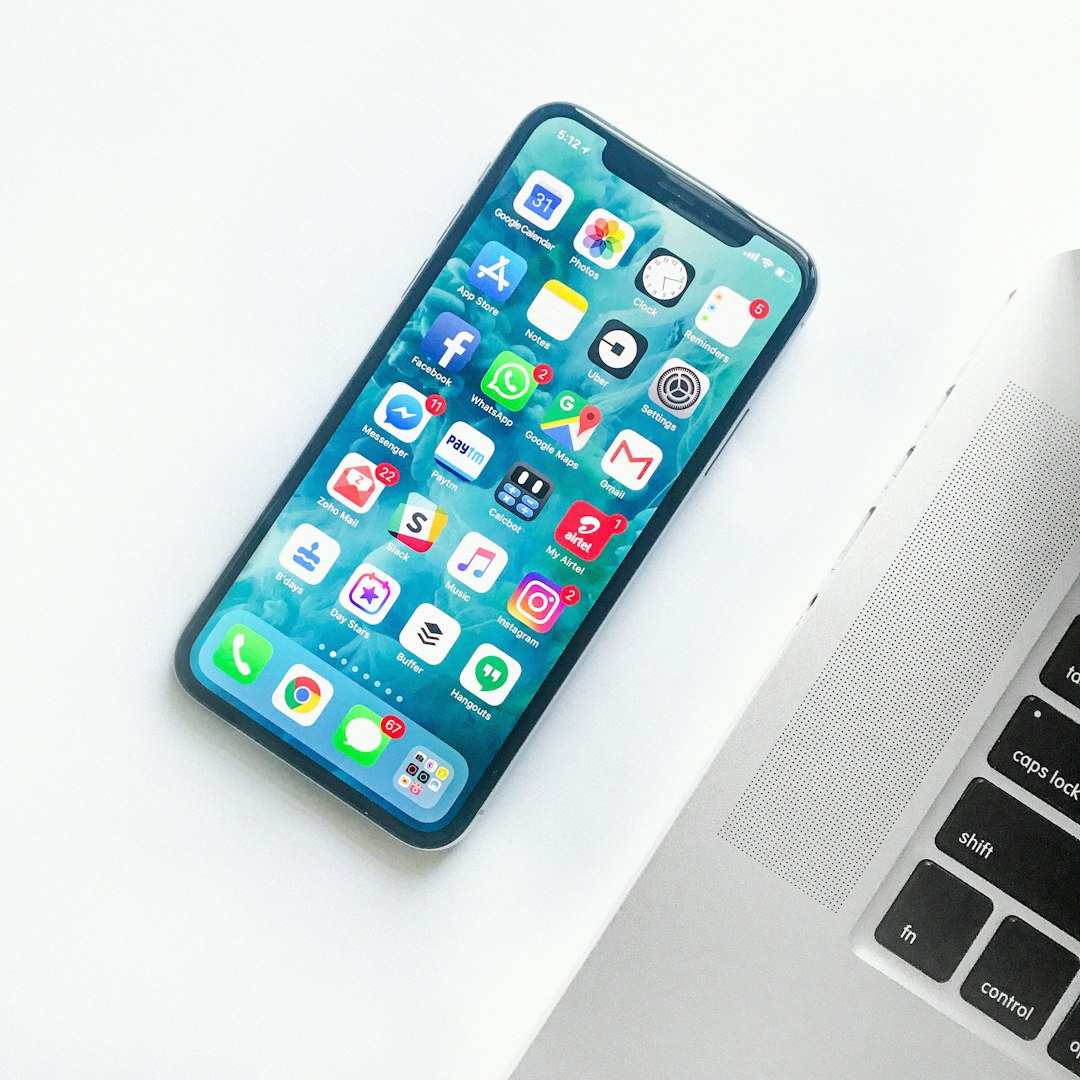
The proliferation of unwanted robocalls has led to a surge in the popularity of robocall protection apps among South Carolina residents. These applications, designed to filter out automated calls, have become essential tools for those seeking respite from persistent telemarketers and scammers. According to recent studies, over 40 billion robocalls were made globally in 2021, a stark increase from previous years, underscoring the urgent need for effective solutions. South Carolina, like many states, has seen its fair share of these intrusive calls, prompting many consumers to seek legal recourse and protection.
Robocall Attorney South Carolina emphasizes that while state laws offer some safeguards, such as the Telephone Consumer Protection Act (TCPA), individual efforts through robocall blocking apps can significantly enhance privacy and reduce frustration. Top-rated apps like TrueCall, Hiya, and NoMo use advanced AI and machine learning algorithms to identify and block calls in real time, ensuring a smoother experience for users. For instance, Hiya’s global intelligence network analyzes over 50 billion calls annually, allowing it to detect and filter out spam with remarkable accuracy. This technology not only saves time but also helps users avoid potential scams, a growing concern in the digital age.
Despite the benefits, some consumers remain unaware of these apps’ capabilities or are hesitant to adopt them due to privacy concerns. However, experts advise that reputable apps prioritize user data security and offer transparent policies. By integrating features like call history logs, block lists, and customizable settings, these tools empower users to take control of their communication. Moreover, staying informed about emerging robocall trends and maintaining up-to-date app versions can further bolster protection. With the ever-evolving landscape of telemarketing tactics, South Carolina residents can best protect themselves by embracing innovative solutions like robocall blocking apps.
How Real-Time Updates Protect South Carolina Residents

In South Carolina, as across the nation, robocalls have become a persistent nuisance for residents, often disguised as legitimate communication from businesses or political campaigns. To combat this issue, innovative protection apps equipped with real-time updates are emerging as powerful tools for safeguarding citizens’ privacy and peace of mind. These apps not only block unwanted calls but also provide dynamic defenses against evolving scamming tactics employed by robocallers.
Real-time updates play a pivotal role in this defense strategy. By continuously feeding data from millions of users, these apps can instantly identify patterns and trends in robocalling activities. For instance, if a particular area experiences a sudden surge in calls promoting illegal financial schemes, the app can promptly flag this activity and block corresponding phone numbers. This proactive approach ensures that South Carolina residents are protected against emerging threats as they arise. Moreover, these updates often include information from local law enforcement and consumer protection agencies, enabling users to stay informed about specific scams targeting their region.
The value of such apps lies not only in their ability to block calls but also in educating users about potential dangers. Real-time alerts can notify residents about known scammer numbers, helping them avoid engaging with fraudulent offers or requests for personal information. This knowledge empowers South Carolina citizens to become more discerning and better equipped to protect themselves from robocall fraud. In addition, these apps often provide recordings of blocked calls, allowing users and robocall attorneys in South Carolina to analyze and document the tactics employed by scammers, which can aid in legal proceedings against malicious call centers.
Selecting the Best Robocall Blocking App: A Consumer Guide

Selecting a robust robocall blocking app is an essential step in reclaiming control of your communications, especially in South Carolina where robocalls remain a prevalent nuisance. With numerous options available, choosing the best one requires a strategic approach considering individual needs and preferences. A key factor involves understanding the app’s call-filtering capabilities, with advanced technologies like artificial intelligence (AI) and machine learning offering more precise results. For instance, some apps utilize AI to adapt and improve their blocking algorithms over time, ensuring a dynamic defense against evolving spamming tactics.
Reputability and privacy policies are also critical considerations. Reputable developers often prioritize user data protection, employing encryption and secure storage methods. In South Carolina, where privacy laws align with national standards, selecting an app that adheres to these regulations is vital. Check for clear and transparent privacy statements, ensuring your information remains confidential. Apps like Call Filter and TrueCall have established themselves in the market by consistently delivering effective robocall protection and upholding stringent privacy standards.
Real-time updates are another distinguishing feature. The best apps provide up-to-date call data and blocking statistics, allowing users to stay informed about the effectiveness of their protection. This feature offers peace of mind, knowing that your app is actively working to mitigate unwanted calls. Regularly review these insights to make informed decisions regarding app settings and ensure maximum efficiency in blocking robocalls. By carefully evaluating these aspects, South Carolina residents can select a robocall blocking app tailored to their needs, leveraging cutting-edge technology for enhanced communication security.
Enforcing Your Rights: Dealing with Robocalls and a Robocall Attorney South Carolina

South Carolina residents, like many across the nation, face a growing onslaught of robocalls. These automated phone calls, often unsolicited, can be intrusive and frustrating. Fortunately, federal laws, such as the Telephone Consumer Protection Act (TCPA), offer protections against excessive or deceptive robocalling practices. Understanding your rights under these laws is essential in dealing with unwanted calls.
When faced with a relentless barrage of robocalls, engaging the services of a Robocall Attorney South Carolina can be immensely beneficial. These legal professionals specialize in navigating the complexities of TCPA litigation and ensuring that individuals’ privacy rights are upheld. They can help determine if a particular call constitutes an illegal robocall, assess potential damages, and take appropriate legal action. For instance, if a business has repeatedly ignored Do Not Call requests, a Robocall Attorney South Carolina can file a lawsuit seeking financial compensation for the recipient’s troubles.
A key aspect of effective robocall management is blocking and filtering calls from known spammers. Many modern smartphones offer built-in call blocking features, while various third-party apps provide advanced real-time updates on incoming calls, allowing users to identify and block robocalls instantly. Utilizing these tools in conjunction with legal remedies can significantly reduce the nuisance of unwanted phone marketing attempts. By staying informed about your rights and employing available resources, South Carolina residents can reclaim control over their communication channels.