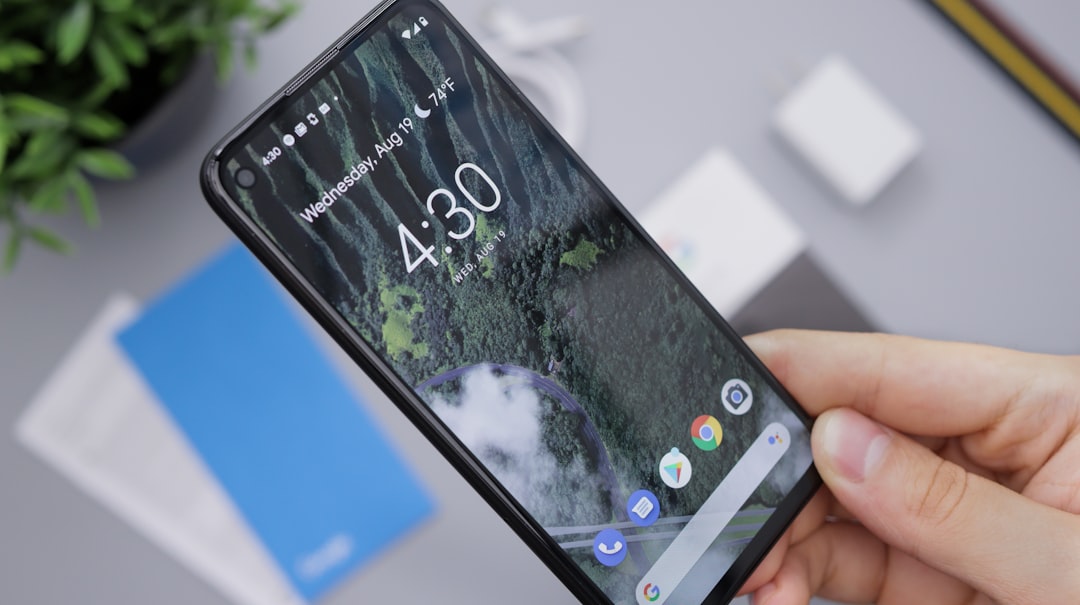
South Carolina residents face a surge in robocalls, disrupting daily life. The Telephone Consumer Protection Act (TCPA) governs automated marketing calls, requiring explicit consent from businesses. Robocall lawyers specialize in TCPA regulations, aiding consumers in redress and advocating for stricter protections. Preventive measures include blocking unknown numbers, signing up for National Do Not Call Registry, and using call-blocking apps. Combining technical solutions with legal guidance from robocall lawyers South Carolina offers effective protection against robocalls.
South Carolina residents deserve a respite from unwanted robocalls, which have become a persistent nuisance across the state. These automated phone calls, often marketing or fraudulent, inundate consumers daily, disrupting their peace of mind and posing potential risks. While traditional blocking methods offer some relief, they are not foolproof. This comprehensive guide aims to empower South Carolina consumers with an in-depth understanding of robocall blocking strategies, leveraging the expertise of local robocall lawyers to provide effective solutions tailored to the state’s legal framework. By exploring advanced techniques and available resources, we will help you reclaim control over your phone lines.
Understanding Robocalls: Legal Framework in South Carolina

Robocalls have become a pervasive issue for consumers across the globe, including South Carolina residents. These automated phone calls, often used for telemarketing or fraud, are protected by specific legal frameworks designed to balance consumer rights with business practices. In South Carolina, robocall regulations are governed by state and federal laws, primarily the Telephone Consumer Protection Act (TCPA). This legislation restricts how businesses can use automatic dialing systems and prerecorded messages, ensuring consumers’ privacy and peace of mind.
The TCPA requires clear consent from recipients before businesses can engage in automated calling for marketing purposes. Failure to obtain this consent can result in significant legal repercussions for robocall companies and their representatives, including substantial fines per violation. South Carolina robocall lawyers play a crucial role in interpreting these laws and advocating for consumers’ rights. They guide businesses on obtaining proper consent and represent victims of fraudulent or unauthorized robocalls, helping them navigate the legal system and seek compensation if necessary.
Despite these regulations, robocalls persist, highlighting the need for heightened awareness among consumers. South Carolina residents should be educated about their rights and the tactics used by scammers. Regularly reviewing call history and blocking unknown numbers are essential preventive measures. Moreover, reporting suspicious calls to relevant authorities can aid in combating robocall scams and holding offenders accountable. By understanding the legal landscape surrounding robocalls and taking proactive steps, South Carolina consumers can better protect themselves in this digital age.
The Rise of Automated Calls: Consumer Rights Awareness

The proliferation of automated calls, commonly known as robocalls, has become a significant nuisance for South Carolina consumers. With advancements in technology, scammers and telemarketers have found innovative ways to reach residents, often invading their privacy and disrupting daily life. This surge in robocalls has prompted a growing awareness among consumers about their rights and the need for effective protection. Robocall lawyers in South Carolina play a crucial role in educating the public on this issue and advocating for stronger consumer safeguards.
According to recent studies, South Carolina residents receive an average of 3-5 unwanted robocalls daily, with some areas experiencing even higher rates. These automated calls often originate from out-of-state or international sources, making it challenging to trace and stop them. As a result, many consumers feel helpless against this modern form of harassment. However, legal experts suggest that increased awareness and knowledge of consumer rights can empower individuals to take proactive measures. One effective strategy is to register on the National Do Not Call Registry, which allows residents to opt-out of most telemarketing calls.
Robocall lawyers in South Carolina emphasize the importance of staying informed about one’s rights. They advise consumers to be cautious when sharing personal information over the phone and to verify the legitimacy of any suspected fraudulent calls. By staying vigilant and reporting suspicious activities, individuals can contribute to a collective effort to combat robocall scams. Moreover, these legal professionals play a vital role in advocating for stricter regulations, ensuring that consumer protections keep pace with evolving call-center technologies.
Blocking Techniques: Effective Strategies for South Carolina Residents
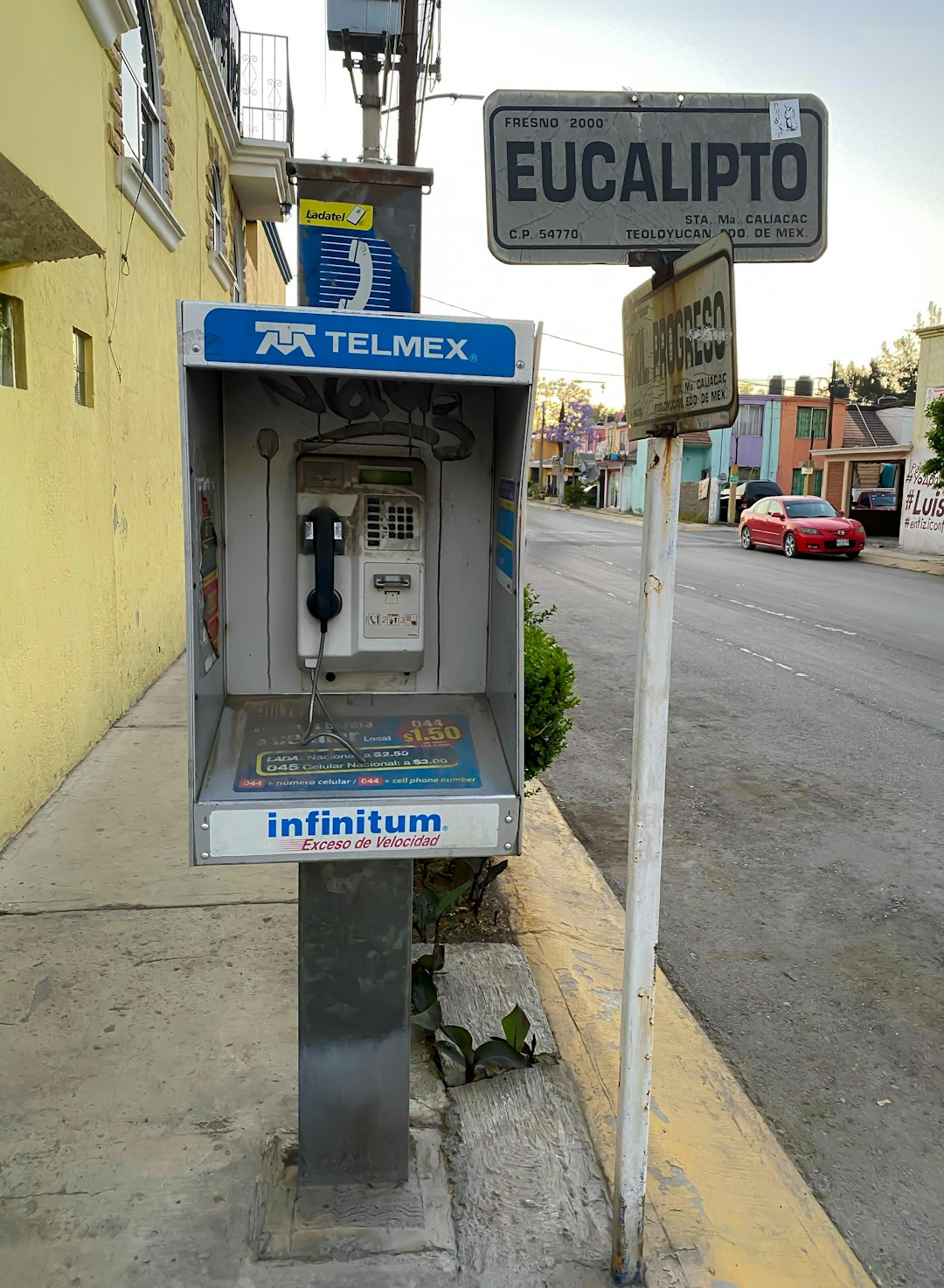
South Carolina residents face a significant challenge in the age of robocalls—unwanted automated phone calls that disrupt daily life. To combat this growing issue, effective robocall blocking techniques are essential, offering both practical solutions and legal protections. Robocall lawyers South Carolina emphasize the importance of proactive measures to safeguard consumers from intrusive marketing calls.
One powerful strategy involves signing up for National Do Not Call Registries. The Federal Trade Commission (FTC) maintains a national database where residents can register their phone numbers to prevent automated sales calls. This simple step significantly reduces the volume of robocalls received. Interestingly, according to recent FTC data, over 21 million complaints about unwanted robocalls were filed in 2022, underscoring the widespread problem and the need for robust blocking methods.
Additionally, utilizing call-blocking apps and software is a popular and effective approach. These tools learn to identify and block known robocall patterns, using advanced algorithms to adapt as new scams evolve. Many such apps offer customizable settings, allowing users to specify preferences and manage blocked numbers. For instance, some apps can even provide insights into the types of calls being received, helping residents understand the scope of the robocall problem in their area. By combining these technical solutions with legal protections offered by robocall lawyers South Carolina, consumers can take a multi-pronged approach to reclaiming control over their communication channels.
Legal Action Against Spam Calls: Robocall Lawyers South Carolina's Role

South Carolina consumers face a growing tide of unwanted robocalls, leading many to seek legal recourse. In response, robocall lawyers South Carolina have emerged as a critical line of defense against these pervasive and often fraudulent communications. These legal professionals leverage state and federal laws designed to curb spam calls, offering consumers a powerful tool to reclaim their peace of mind.
Robocall lawyers in South Carolina specialize in navigating the intricate web of regulations surrounding automated telephone marketing. They are intimately familiar with the Telephone Consumer Protection Act (TCPA), which provides substantial penalties for violators. This federal legislation prohibits automated calls unless the caller has obtained prior express consent from the recipient, a crucial aspect in distinguishing legitimate communications from spam. Robocall lawyers use this framework to file lawsuits against companies and individuals engaging in abusive call practices, holding them accountable for damages and disincentivizing further illegal activity.
A notable example of their impact is seen in recent cases where robocall lawyers South Carolina successfully represented affected consumers in securing substantial settlements. These outcomes not only provide financial redress but also serve as deterrents, sending a clear message to potential violators. As the volume of spam calls continues to rise, the role of these legal experts becomes increasingly vital in protecting consumer rights and fostering a more responsible marketing landscape. By staying abreast of legislative changes and leveraging existing laws, robocall lawyers South Carolina are at the forefront of the battle against intrusive and illegal telemarketing practices.
Future-Proofing Your Phone: Advanced Tools & Laws to Combat Robocalls
With the ever-evolving landscape of robocalls, South Carolina consumers need robust strategies to protect themselves. Future-proofing your phone from these unwanted intrusions requires a blend of advanced tools and understanding the latest legal protections. Robocall lawyers in South Carolina highlight that while blocking techniques have improved, new tactics emerge daily, demanding continuous adaptation.
One effective approach involves utilizing sophisticated call-blocking apps that learn and adapt to identify and block robocalls with high accuracy. These apps leverage machine learning algorithms to analyze calling patterns, allowing them to distinguish between legitimate calls and automated fraudsters. For instance, TrueCall or Hiya are popular options known for their robust databases of known spammer numbers. Additionally, integrating call-screening features in your smartphone’s native settings can further enhance protection.
Moreover, staying informed about state and federal laws targeting robocalls is crucial. The Telephone Consumer Protection Act (TCPA) provides significant legal avenues against unwanted calls, with penalties for violators. South Carolina has also implemented its own regulations, such as requiring prior express consent for automated calls, aligning with national standards. Engaging the services of robocall lawyers in South Carolina can offer tailored guidance, ensuring compliance and providing effective remedies against persistent spam calls. Regularly updating blocking measures and legal knowledge is key to staying one step ahead in this ongoing battle against robocalls.