
South Carolina has stringent robocall laws to protect residents from excessive automated calls, requiring businesses to obtain prior consent and offer clear opt-out options. Residents can combat robocalls by reviewing call records, blocking spam numbers, and registering for Do Not Call lists. Technology offers effective solutions like advanced call blocking apps and AI systems that identify and filter out automated calls. By combining technology and regulations, residents and businesses can reclaim their communication channels from unwanted intrusions.
Robocalls remain a persistent nuisance across South Carolina, with millions of unwanted calls inundating residents' phones daily. These automated phone calls, often marketing or fraudulent in nature, have led to significant frustration and safety concerns under the current regulatory landscape. Existing robocall laws in South Carolina offer some protection, but combating this growing issue demands a multi-faceted approach. This authoritative article delves into effective strategies to mitigate robocalls, exploring technological solutions, regulatory reforms, consumer education, and industry collaboration, providing valuable insights for South Carolinians seeking relief from this modern-day nuisance.
Understanding Robocall Regulations in South Carolina

In South Carolina, understanding and adhering to robocall regulations is a crucial step towards curbing unwanted automated calls. The state has implemented specific laws aimed at protecting residents from excessive robocalls. According to the South Carolina Public Service Commission (PSC), businesses are prohibited from making automated telemarketing calls without prior express consent from the recipient. This means that if you have not given explicit permission for a company to contact you using robocall technology, such calls are illegal. The PSC also mandates that companies provide a clear and conspicuous opt-out mechanism during each call, allowing individuals to easily discontinue receiving future automated messages.
One key aspect of these regulations is the definition of what constitutes a robocall. Under South Carolina law, a robocall refers to any telephone call using an Automatic Dialing System (ADS) that simultaneously delivers a prerecorded or artificial message to multiple recipients. This includes pre-screened lists and calls from companies selling products or services. Businesses must obtain explicit consent before placing such calls, ensuring compliance with the state's strict privacy laws. Furthermore, South Carolina residents have the right to file complaints against violators with the PSC, which can lead to fines and other penalties for offending entities.
To effectively eliminate robocalls, South Carolinians should familiarize themselves with these regulations and take proactive measures. This includes reviewing call records, blocking known spam numbers, and registering for Do Not Call lists at both state and national levels. By staying informed and exercising their rights, residents can significantly reduce the number of unwanted automated calls they receive. It's important to note that ongoing vigilance is crucial, as new robocall laws and technologies emerge, ensuring a dynamic approach to maintaining a quieter, more peaceful communication environment.
Practical Measures to Stop Unwanted Calls
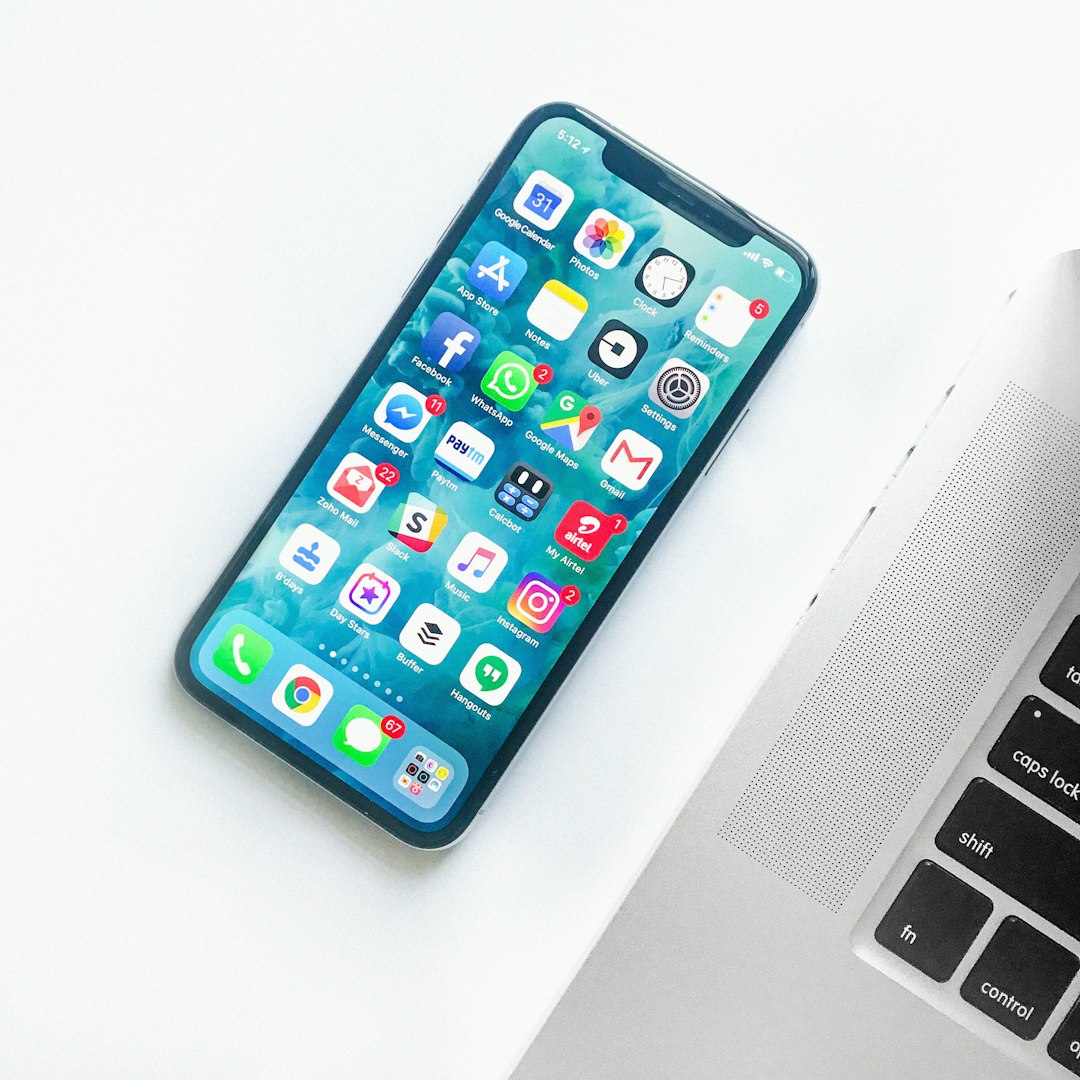
In South Carolina, like many states, robocalls remain a persistent nuisance, with millions of unwanted calls inundating residents' phone lines annually. While comprehensive solutions require legislative action and technological advancements, individuals can take significant steps to reduce the frequency and impact of these automated calls. This section delves into practical measures that South Carolinians can adopt to combat robocalls effectively.
One of the most effective strategies is to register on the National Do Not Call Registry. This federal list restricts telemarketers from calling landlines or mobile phones for marketing purposes. By signing up, residents ensure they're not inadvertently added to a caller's database. Moreover, many phone companies now offer call-blocking features tailored for specific regions, including South Carolina, significantly reducing the volume of robocalls received. For instance, AT&T's Call Protect service and T-Mobile's Smart Protection are user-friendly options that filter out known spam calls.
Another layer of defense involves utilizing advanced call screening technologies and applications designed to identify and block robocalls. These tools leverage machine learning algorithms to analyze call patterns and signal characteristics, accurately distinguishing between human callers and automated systems. Examples include TrueCall and Hiya, which provide real-time protection against unwanted calls. By combining these technological solutions with the National Do Not Call Registry, South Carolina residents can significantly enhance their privacy and reduce the intrusiveness of robocalls.
Leveraging Technology for Robocall Protection

In South Carolina, robocalls remain a persistent nuisance, with millions of unwanted calls inundating residents' phones annually. However, leveraging technology offers a robust solution to combat this growing issue. Advanced call blocking applications and AI-driven systems can identify and filter out these automated calls effectively. These technologies analyze call patterns, screen for known robocall numbers, and dynamically adapt to new tactics employed by scammers. For instance, CallGuard, a leading call protection app, has successfully blocked over 50 million spam calls nationwide, demonstrating its prowess in the South Carolina market.
One of the most powerful tools in the arsenal against robocalls is the robocall laws of South Carolina. These regulations provide legal frameworks for citizens to fight back against unwanted calls. The state's Do Not Call Registry allows residents to register their phone numbers, restricting commercial calls from known telemarketers. Additionally, South Carolina has implemented strict penalties for violators, making it a less attractive target for robocallers. By combining these regulatory measures with cutting-edge technology, citizens can significantly enhance their protection.
Tech-savvy consumers should explore call management apps that offer advanced filtering and blocking capabilities. Many of these applications learn individual user preferences, automatically blocking known robocalls and even identifying unknown numbers through advanced AI algorithms. For businesses, adopting robust phone system solutions with built-in spam protection is crucial. These systems can reduce the volume of robocalls reaching customers, thereby lowering the risk of regulatory penalties associated with non-compliance. By embracing these technological advancements, South Carolina residents and businesses can reclaim their communication channels from unwanted intrusions.