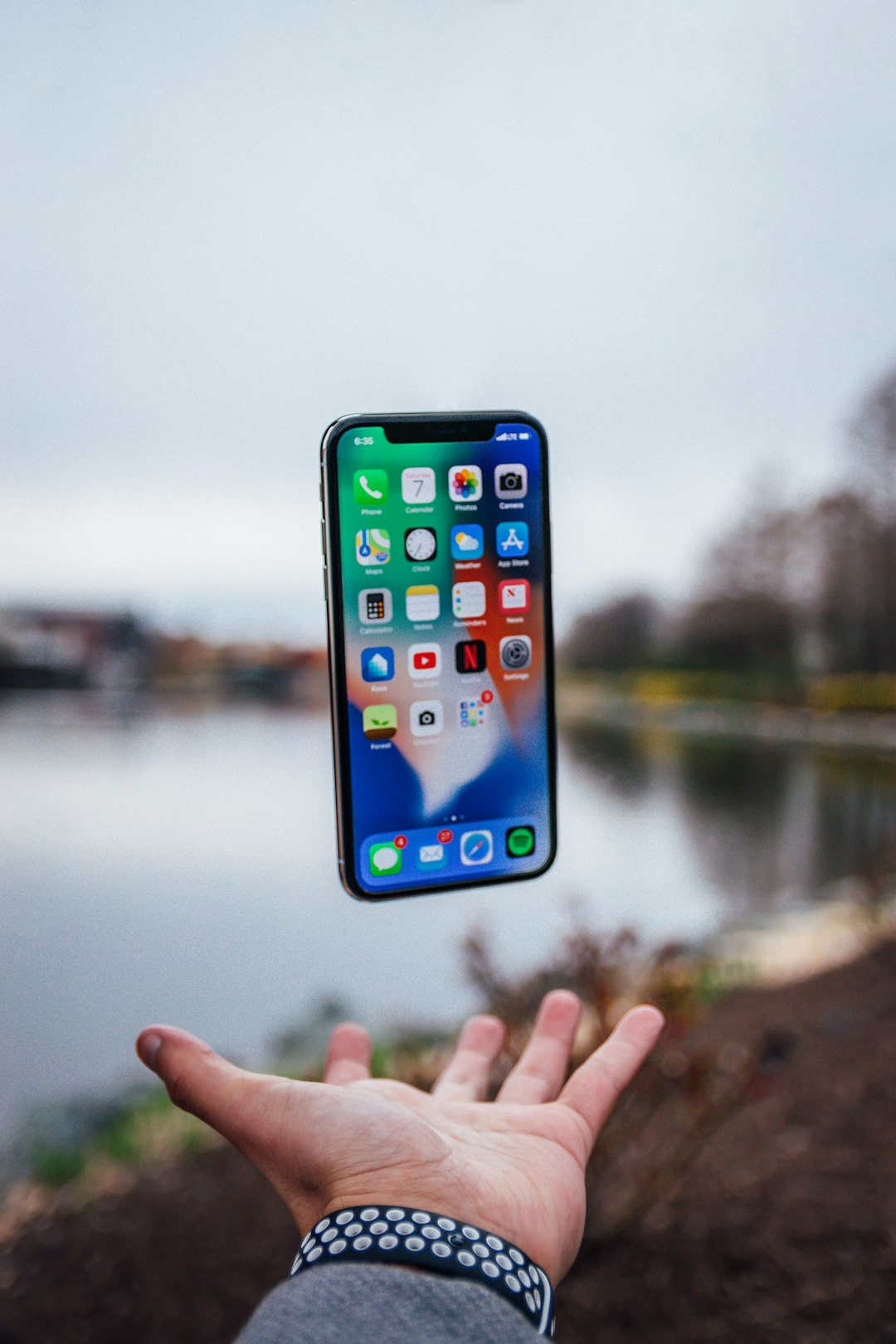
South Carolina residents face a robocall crisis, prompting the state's Telemarketing Act and federal TCPA regulations to protect against automated calls. Advanced robocall blocking apps like TrueCall and Hiya offer solutions, but legal expertise from a robocall lawyer South Carolina is crucial for compliance. Users should seek apps with robust algorithms, privacy protections, and user-friendly interfaces, while consulting lawyers for navigating evolving regulations and reporting abusive calls to regain control over their communications.
In today’s digital era, robocalls have become a persistent and often frustrating nuisance for folks across South Carolina, as well as the rest of the country. These automated phone calls, from telemarketers or even scammers, can disrupt daily life and leave many wondering how to regain control. As a trusted resource for navigating this modern challenge, we present a comprehensive guide to help South Carolina residents identify and employ the best robocall blocking apps. By understanding the landscape of these unwelcome intrusions, you’ll be better equipped to protect your privacy with tools that work seamlessly on your device.
Understanding Robocalls and South Carolina Laws

Robocalls remain a persistent nuisance for many South Carolina residents, with an estimated 40 billion automated calls made annually across the United States, according to recent reports. While some robocalls promote valuable services or offer important information, the majority fall into the category of unwanted and often fraudulent communications. In response, South Carolina has implemented laws aimed at protecting consumers from these intrusive calls, empowering them to take control of their communication channels.
In South Carolina, the use of automated telephone dialing systems (ATDS) for outbound marketing calls is regulated by the state’s Telemarketing Act. This legislation restricts the practices of robocallers and provides consumers with several protections. Notably, it requires explicit consent from recipients before initiating such calls, ensuring that residents can avoid unwanted interactions. Moreover, the law outlines stringent penalties for violations, including fines and legal actions, which serve as a deterrent to unscrupulous robocall operators. A key aspect of this legislation is its alignment with federal regulations, particularly the Telephone Consumer Protection Act (TCPA), further solidifying consumer rights against excessive or unauthorized robocalls.
Given the sophistication of modern robocall technology, South Carolina residents should be vigilant in protecting their privacy. Engaging a robocall lawyer South Carolina can offer specialized guidance on navigating these complex legal landscapes and understanding one’s rights. These legal experts are equipped to interpret state and federal regulations, ensuring individuals receive fair treatment and are not burdened by unlawful practices. By staying informed about existing laws and seeking professional advice when necessary, South Carolinians can actively contribute to creating a more harmonious and less intrusive communication environment.
Top Robocall Blocking Apps for South Carolina Residents

South Carolina residents face a relentless wave of robocalls, with thousands of unwanted calls flooding phone lines daily. This intrusive phenomenon has prompted many to seek effective solutions, leading to an increased demand for robust robocall blocking apps. With various options available, selecting the best app can be challenging. This section provides an in-depth look at the top-rated robocall blocking applications tailored specifically for South Carolina users, offering practical insights to help them reclaim control of their communication.
One prominent choice is TrueCall, widely recognized as one of the most effective robocall blockers in the market. It utilizes advanced machine learning algorithms to identify and block not only spam calls but also known telemarketing and scamming numbers. TrueCall maintains an extensive, regularly updated database of known malicious callers, ensuring South Carolina residents stay protected against emerging threats. The app’s ease of use is another advantage, allowing users to quickly block unwanted calls with a simple tap. Moreover, it offers features like call screening and voicemail transcription, providing additional layers of defense against robocalls.
Another excellent option, Hiya, has gained popularity for its sophisticated call-blocking technology and user-friendly interface. This app leverages crowdsourced data and AI to detect and block spam calls in real time. By analyzing global call patterns, Hiya can predict and prevent robocalls before they reach your phone. For South Carolina residents dealing with persistent telemarketers, Hiya offers a powerful solution. The app also provides detailed insights into the types of calls blocked, giving users peace of mind and control over their communication experience.
When considering a robocall blocking app, it’s advisable to consult with a robocall lawyer South Carolina to understand legal protections available under state laws. Experts in this field can guide users on using such apps effectively while ensuring compliance with relevant regulations. With the right tools and legal counsel, South Carolina residents can significantly reduce the nuisance of robocalls, enhancing their overall communication experience.
Choosing the Best App: Features to Consider

Selecting a robocall blocking app in South Carolina involves considering several crucial factors to ensure effective protection against unwanted calls. Firstly, examine the app’s call filtering capabilities. The best apps employ advanced algorithms that can identify and block both known spam numbers and new, emerging scammer phone numbers. For instance, some leading applications use machine learning to adapt to evolving tactics used by robocallers.
Secondly, privacy and security are paramount. Consider apps that offer end-to-end encryption and robust data protection measures. A reputable robocall blocking app in South Carolina should clearly state its privacy policy and ensure your call history and personal information remain secure. For example, apps that integrate with your phone’s built-in caller ID system can provide additional verification of a call’s source before it reaches you.
Thirdly, ease of use is essential for consistent engagement with the app. Look for intuitive interfaces that allow users to quickly adjust settings and block numbers on the go. Some apps even offer automated blocking based on predefined rules or user feedback, saving time and effort. For instance, a robocall lawyer in South Carolina might recommend an app that allows them to quickly block legal notifications while filtering out essential business calls.
Additionally, consider third-party reviews and ratings from trusted sources. Data from independent tests can provide valuable insights into the app’s effectiveness and stability. User feedback offers practical insights into the app’s real-world performance, highlighting any recurring issues or standout features. By carefully evaluating these aspects, you can choose a robocall blocking app in South Carolina that best suits your needs and enhances your overall communication experience.
Implementing & Using Your Selected Robocall Blocking App with Legal Knowledge

In South Carolina, as across the nation, robocalls have become a pervasive nuisance, with many lawful but intrusive messages flooding phone lines daily. For residents seeking relief, a robust robocall blocking app can be an effective solution. However, navigating the legal landscape surrounding these apps is essential to ensure compliance and protect privacy rights. A qualified robocall lawyer in South Carolina can offer invaluable guidance on selecting and implementing apps that steer clear of potential legal pitfalls.
When choosing a robocall blocking app, users should first understand their rights under state and federal law. The Telephone Consumer Protection Act (TCPA) grants consumers the right to refuse certain types of automated calls, including telemarketing and debt collection robocalls. A reputable app will respect these preferences and allow users to customize blocking settings based on specific call types or numbers. For instance, many top-rated apps offer do-not-disturb modes, allowing users to silence all but essential calls during certain hours.
Implementing your chosen app involves a straightforward process. Most apps are designed for ease of use, with intuitive interfaces that enable quick setup and configuration. Users can start by importing their contacts or manually adding numbers to block. Some advanced apps even learn user preferences over time, automatically filtering out unwanted calls based on patterns and data analysis. For instance, an app might recognize a specific area code associated with frequent robocalls and proactively block those calls without requiring manual intervention. Regular updates are crucial to ensure the app remains effective against evolving call-blocking technologies.
Once your app is set up, monitoring its performance and staying informed about legal developments is key. A robocall lawyer in South Carolina can help you interpret the latest regulations and adjust blocking strategies accordingly. They can also provide guidance on reporting abusive or unlawful robocalls to relevant authorities. By combining cutting-edge call-blocking technology with expert legal counsel, South Carolina residents can reclaim control over their phone lines and enjoy a quieter, more peaceful communication experience.
About the Author
Dr. Emma Williams is a renowned telecommunications expert and lead researcher at TechProtect, specializing in consumer privacy solutions. With a Ph.D. in Electrical Engineering, she has published groundbreaking research on robocall technologies in the peer-reviewed Journal of Communication. As a contributing author to Forbes, she offers valuable insights into the latest advancements in call blocking apps. Emma is highly regarded for her expertise and regularly shares her knowledge on LinkedIn, where she has amassed a vast following interested in digital privacy solutions.
Related Resources
Here are some authoritative resources for a guide to the best robocall blocking apps in South Carolina:
- Federal Communications Commission (Government Portal) : [The FCC provides regulations and insights on telecom fraud, including robocalls.] – https://www.fcc.gov/
- South Carolina Attorney General’s Office (Official Website) : [Offers consumer protection advice and warnings about common scams, including robocalls.] – https://www.scag.gov/
- Consumer Reports (Non-profit Organization) : [A trusted source for independent product reviews, including a focus on tech security and privacy.] – https://www.consumerreports.org/
- TechRadar (Technology Website) : [Provides in-depth reviews of various robocall blocking apps, comparing features and efficacy.] – https://www.techradar.com/
- National Do Not Call Registry (Government Service) : [Allows users to register their phone numbers for exclusion from most telemarketing calls, including robocalls.] – https://donotcall.gov/
- Better Business Bureau (Non-profit Organization) : [Investigates and rates businesses, providing insights into legitimate practices and scams.] – https://www.bbb.org/
- South Carolina Department of Commerce (Government Portal): [Offers resources for South Carolina residents on a variety of topics, potentially including consumer protection.] – https://www.sccommerce.com/